
Unlocking Africa's Energy Potential: The Rise of Utility-Scale Solar Projects
Introduction to Utility-Scale Solar
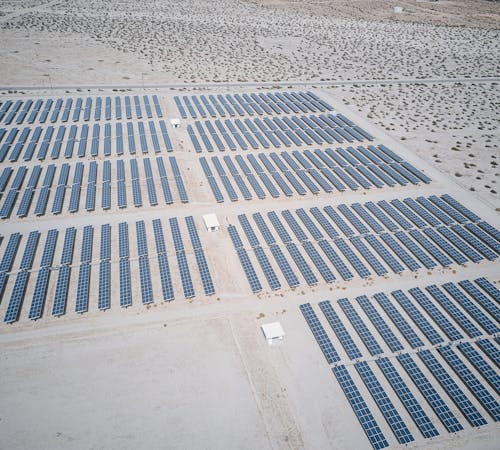
Utility-scale solar energy is becoming a game-changer in Africa's renewable energy landscape. These large-scale solar projects generate power from the sun, providing electricity to thousands of homes and businesses. With increasing demand for clean energy, utility-scale solar offers a viable solution to bridge the energy gap in many African nations.
The Importance of Renewable Energy in Africa
- Sustainable Development: As populations grow, so does the need for reliable energy sources. Renewable energy supports sustainable development goals (SDGs).
- Energy Security: Diversifying energy sources enhances a country’s energy security, reducing reliance on fossil fuels.
- Job Creation: Investing in renewable energy projects creates jobs across various sectors, from construction to maintenance.
- Environmentally Friendly: Solar energy significantly reduces carbon footprints and helps combat climate change.
Utility-Scale Solar Projects: What Are They?
Utility-scale solar refers to solar power plants that generate electricity primarily for sale to utilities and end-users, rather than for individual household or business use. These projects are often built in open areas where there is ample sunlight and connected to the electricity grid.
Key Components of Utility-Scale Solar Projects
- Solar Panels: Photovoltaic panels that convert sunlight into electricity.
- Inverters: Devices that convert the direct current (DC) electricity generated by the panels into alternating current (AC), which is suitable for the grid.
- Mounting Structures: Frameworks that hold the solar panels in place; this includes fixed tilts and tracker systems that follow the sun's path.
- Energy Storage Systems: Batteries that store excess energy generated during peak sunlight hours for use during cloudy days or nighttime.
Floating Solar: A Game Changer
Floating solar installations are a remarkable innovation, particularly relevant for countries with limited land space. These systems are installed on bodies of water, offering a dual benefit:
- They reduce evaporation from water bodies.
- They utilize space that would otherwise be unproductive.
Challenges in Implementation
While the benefits are substantial, several challenges hinder the rapid expansion of utility-scale solar projects in Africa:
- Financing: Securing funding for large-scale projects can be difficult due to perceived risks associated with emerging markets.
- Infrastructure: Many regions lack adequate infrastructure to support the transport and installation of solar systems.
- Regulatory Environment: Inconsistent policies and regulations can create uncertainty for investors and developers.
How to Overcome These Challenges
To successfully develop utility-scale solar projects, stakeholders can consider the following tips:
- Build Strategic Partnerships: Collaborate with local governments, financial institutions, and international NGOs to secure funding and support.
- Invest in Local Capacity Building: Train and employ local workers to enhance skill sets and ensure community buy-in.
- Engage in Policy Advocacy: Work with policymakers to create a stable and favorable regulatory environment for renewable energy projects.
Conclusion
Utility-scale solar projects present an incredible opportunity to transform Africa's energy landscape. With proper planning, innovation, and collaboration, the continent can harness its abundant solar resources to drive sustainable development and improve energy access for millions. By embracing these projects, Africa can lead the way in renewable energy advancements, setting an example for emerging markets worldwide.