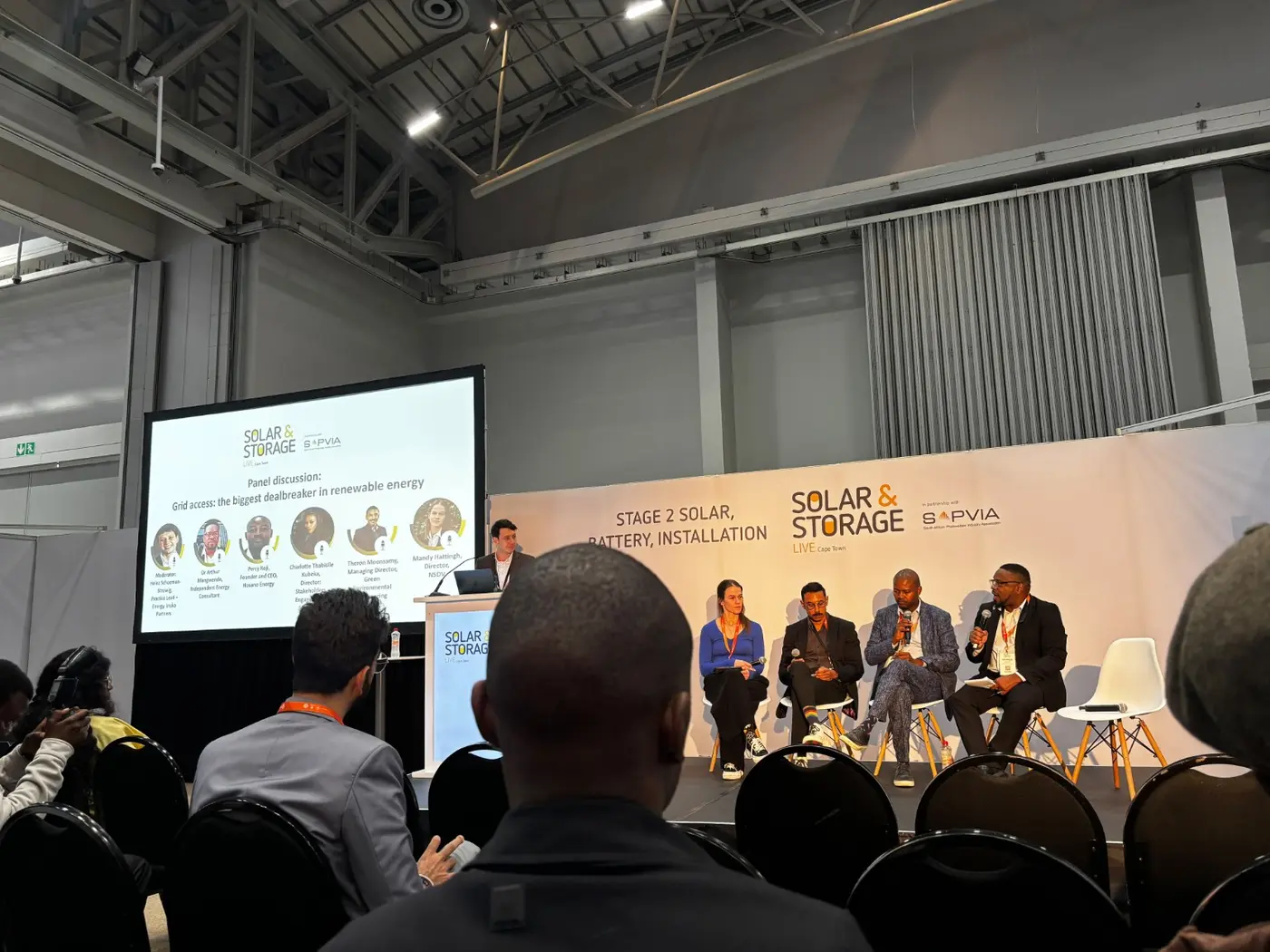
A strong renewable resource and a well-designed power plant do not, on their own, make a project commercially viable. Developers also need a credible, affordable and timely route to connect and deliver electricity. This panel examined the uncertainty created by constrained networks, connection studies, upgrade costs, development timing and curtailment risk.
These questions shape more than engineering. They affect site selection, financing assumptions, offtake arrangements and delivery schedules. A project can spend significant time and development effort before the connection route, required works or their cost become clear.
Grid diligence is an early commercial task
Developers should test available capacity, the connection route, substation requirements, upgrade scope, study process, cost allocation and likely programme before committing heavily to a site. Curtailment and dispatch constraints also belong in project models and financing discussions.
Battery storage can improve flexibility and shift energy through time, but it does not replace transmission capacity or automatically resolve a constrained corridor. Storage, generation and grid strategy need to be considered together.
The panel addressed a central African energy-development challenge: projects need a realistic route from resource potential to electricity that can reach customers. Better visibility of network capacity, clearer study processes and defined responsibilities can reduce uncertainty for developers, utilities, EPC contractors and investors.
This recap describes the panel’s subject and sector context. It does not attribute specific statements to individual speakers.
Read the related article: Grid Access and the Future of Renewable Energy Development in Africa